PLANT DIETA & PLANT TEACHERS
A Dieta Is a Relationship.
Not Simply a Restriction.
A dieta is an embodied relationship we share with a plant.
Within Shipibo-Konibo practice, that relationship is cultivated through ingestion, attention, discipline, ceremony and time.
The restrictions create the space. The relationship is the teaching.
Explore the path below ↓
THE FOUNDATION
What Is a Plant Dieta?
A dieta is an embodied relationship we share with a plant.
That relationship often begins through ingestion, but ingestion alone does not define the depth of the relationship. Around the world, people work with plants through food, herbal medicine, microdosing, ceremony, prayer, fasting and many other practices.
Within the traditional Shipibo-Konibo approach MERAYA has learned from, dieta creates a deliberate container around that relationship. Food becomes simpler. Distraction is reduced. Sexual activity is paused. Attention turns inward. The plant is received with intention and the relationship is carefully opened, supported and eventually closed.
The restrictions matter because they create conditions for listening.
But the restrictions are not the teaching.
The relationship is the teaching.
RELATIONSHIP WITH NATURE
The Plant Is Not Separate From the Path
Human beings have always developed relationships with the natural world.
We eat plants. We make medicine from them. We build with them. We breathe because of them. We observe their seasons, resilience, intelligence and adaptation.
Dieta brings greater attention to a relationship that already exists.
Instead of approaching a plant only as something to consume, the student begins observing what happens through sustained contact. Dreams may change. Emotions may surface. Patterns may become clearer. The body may respond. Life itself may begin reflecting the themes of the apprenticeship.
Within MERAYA, we approach these experiences with respect and discernment. Some observations may be understood psychologically. Some belong to traditional Amazonian interpretation. Some remain personal and difficult to explain.
We do not need to force every experience into one model in order to learn from it.
“The Restrictions Are Not the Teaching.
The Relationship Is the Teaching.”
DIFFERENT PATHS INTO RELATIONSHIP
People Work With Plants in Many Ways
There is no single global practice called plant dieta.
Some people build relationships with plants through herbalism. Some through food. Some through daily teas, tinctures or microdosing. Some through ceremony. Others through traditional systems carried within particular cultures and lineages.
These approaches do not need to compete.
But they are not automatically interchangeable.
The traditional Shipibo-Konibo method is the approach MERAYA has found most productive for developing a focused, disciplined and embodied relationship with a plant teacher. It brings together ingestion, isolation, behavioral agreements, ceremony, lineage, observation and continued integration.
The strength of the method is not that it makes every experience dramatic.
Its strength is that it gives the relationship enough structure and time to become visible.
FROM PLANT TO TEACHER
When Does a Plant Become a Teacher?
A plant does not become a teacher merely because someone consumes it.
Teaching implies relationship.
It involves attention, repetition, consequence and learning. The plant may bring a quality into focus. It may expose what is out of balance. It may repeatedly return the student to the same fear, wound, behavior or developmental edge.
Sometimes the lesson appears in dreams. Sometimes in ceremony. Sometimes through the body. Sometimes through events in ordinary life.
Receiving the message intellectually is only the beginning.
The deeper question is whether the student can embody what the relationship is asking them to learn.
SELECTING THE PLANT
Which Plant Do You Diet?
Plant selection matters because different plants are traditionally associated with different qualities, remedies and forms of teaching.
Sometimes a person feels a clear attraction toward a particular plant. Sometimes the plant appears repeatedly through dreams or ceremony. Sometimes a maestro or maestra recommends a plant after considering the student’s needs, experience, health, temperament and stage of development.
At MERAYA, selection is approached through conversation, observation, traditional guidance and personal discernment.
There may be several plants that could support someone.
The purpose is not to discover the only correct answer.
It is to choose a relationship that can be entered responsibly.
THE DIETA CONTRACT
The Relationship Has Terms
Within traditional dieta, the relationship is entered through an agreement.
The maestro or maestra establishes the terms with the plant and explains them to the student. These may include the duration of the dieta, the food container, isolation, silence, sexual abstinence, the timing and number of plant doses, and expectations around behavior and attention.
Some experienced apprentices may participate more directly in setting or negotiating terms. A student may also choose additional commitments that help them deepen the process.
The contract is not punishment.
It creates clarity.
When the terms are respected, trust and coherence can develop. When they are broken, the relationship may become confused or destabilized.
Responsibility is therefore part of the teaching from the beginning.
THE TRADITIONAL FOOD CONTAINER
Simple Food. Fewer Signals.
Traditional dieta food is intentionally simple.
Common meals may include plain plantain, rice and a small portion of local river fish such as boquichico. Salt, oil, refined sugar, spices, stimulants and heavily flavored foods are usually restricted. The exact container depends on the plant, the lineage, the maestro and the individual.
The purpose is not to prove strength through deprivation.
Simpler food reduces stimulation and creates a quieter physical and psychological environment. Hunger, craving, habit and emotional attachment to food may also become part of what the student observes.
MERAYA does not treat one food protocol as universally correct. Preparation and reintegration should be adapted to the person, the plant and the context.
PREPARING THE BODY
The Dieta Begins Before the Opening
Preparation helps the body and nervous system enter the process with less unnecessary strain.
Reducing caffeine, refined sugar, alcohol, recreational substances and highly stimulating foods before dieta can make the transition gentler. Medication and medical conditions require honest screening rather than guesswork.
Preparation also includes sleep, hydration, emotional readiness, expectations and the practical ability to honor the agreement.
The goal is not purity.
It is readiness.
A responsible beginning creates more space for the relationship itself.
KETOSIS FASTING & SUGAR
What Restriction Can Reveal
Longer dietas often involve one simple meal per day. Some apprentices report that hunger reduces as the body adapts and enters ketosis.
Within MERAYA’s observations, refined sugar can intensify craving, agitation and less resourceful patterns. Reducing it may create greater stability and sensitivity during the process.
Mokan once completed a 73-day water fast during dieta and experienced significant changes in perception, discipline and plant connection.
This is not a protocol or recommendation.
It is an example of what a highly experienced apprentice may explore under specific conditions. Extended fasting can involve serious medical risk and should never be copied casually.
The principle is not that more restriction creates more value.
The principle is that the body, attention and relationship are connected.
OPENING THE DIETA
The Relationship Is Formally Opened
Once the terms are established, the dieta is formally opened by the maestro or maestra.
The process may begin with a traditional plant purgative and other preparation intended to cleanse the body and create a receptive container.
The ceremonial opening usually takes place within Ayahuasca ceremony. The practitioner works through prayer, intention and icaro to establish the relationship between the student and the plant.
Within the tradition MERAYA has learned from, the practitioner may share a seed of their own established relationship with the plant. This does not replace the student’s apprenticeship. It gives the relationship a supported beginning.
The opening will always include an arcana.
The arcana is understood traditionally as a form of protection and containment around the newly opened dieta.
LINEAGE & TRANSMISSION
What Is Carried Through Apprenticeship
Traditional plant knowledge is not only information about what a plant contains or how it is prepared.
It is also knowledge carried through years of dieta, ceremony, observation, mistakes, correction and family transmission.
Within Shipibo-Konibo families, teachings may pass between generations. A father may teach a son. A grandmother may teach a granddaughter. A maestro may support an apprentice through relationships the practitioner has already developed with particular plants.
This does not mean every claim made in the name of lineage should be accepted without question.
It means experience matters.
The quality of the relationship, the integrity of the practitioner and the depth of the apprenticeship all shape the container being offered.
RECEIVING THE PLANT
Ingestion Begins the Focused Relationship
The dieta plant is usually received after the opening ceremony and often on days without Ayahuasca ceremony.
Depending on the plant and lineage, the preparation may use root, bark, leaf, flower or another part. Some plants are taken several times. Others follow a different rhythm.
Many maestros recommend receiving the plant while fasting or later in the day when the environment is quiet.
The act of drinking is simple.
What follows may be subtle.
The student begins listening through dreams, emotion, bodily response, ceremony, relationship and ordinary life.
THE LIVING SEED
A Relationship That Must Be Nurtured
Traditional dieta is sometimes described as receiving or planting a living seed.
The image is useful because a new relationship is sensitive.
It needs time. Protection. Attention. The right environment. Too much outside stimulation can make it harder to recognize what is unfolding.
This is one reason dieta has traditionally involved isolation. The student steps away from familiar relationships, demands and emotional fields while the connection develops.
Isolation is not automatically healing, and it should never become neglect.
A well-held dieta combines space with responsible guidance.
LIGHT SHADOW & PLANT DUALITY
Every Relationship Requires Discernment
Plants are often described only through their gifts.
Within MERAYA’s framework, most plant relationships may also carry a shadow expression. Human fear, projection, unresolved trauma, broken agreements or poor guidance can distort how a relationship is experienced.
A difficult experience does not automatically mean the plant is harmful. It also does not mean every difficulty should be romanticized as a sacred teaching.
The role of an experienced practitioner includes observing the dieta, cleansing and realigning when necessary, and helping the student distinguish teaching from destabilization.
Respect does not require blind obedience.
A mature relationship includes boundaries, testing and discernment.
THE DIETA PATH
Teaching Becomes Embodiment
The plant may reveal a pattern, quality or possibility.
It may show the student where courage is missing. Where the heart is defended. Where power has become control. Where grief remains unfinished. Where creativity has been suppressed. Where responsibility has been avoided.
But recognition is not the completion of the lesson.
Life will eventually create situations in which the student has to respond differently.
This is where teaching becomes embodiment.
The apprenticeship is not measured only by what happened in isolation.
It is measured by what the student becomes capable of carrying afterward.
“The Plant May Reveal the Lesson.
Life Will Ask Whether You Can Embody It.”
THE EXPERIENCE
What Can Happen During Dieta?
There is no single dieta experience.
Dreams may become vivid. Memories may return. Emotions may intensify. The body may feel different. Some people experience imagery, songs, teachings or a strong sense of the plant’s personality. Others experience long periods that seem quiet.
Life events may also become part of the apprenticeship. A repeated conflict, fear or decision may reveal the same theme the student has been meeting in dreams or ceremony.
Some experiences feel beautiful. Some are demanding. Some are confusing.
Intensity is not proof of depth.
A subtle teaching that changes how someone lives may matter more than a spectacular vision that changes nothing.
DISCERNMENT
Experience Is Information. Interpretation Is a Responsibility.
Dieta experiences can feel deeply convincing.
A dream may seem prophetic. A message may feel unquestionable. A plant may appear to speak with complete authority.
MERAYA encourages respect without surrendering discernment.
What did I experience?
What meaning did I give it?
What assumptions did I add?
Does this interpretation produce greater clarity, responsibility and wellbeing?
Can it be tested through ordinary life?
A message can be meaningful without every first interpretation becoming absolute truth.
“A Message Can Feel Sacred.
That Does Not Remove the Need for Discernment.”
TWO FORMS OF DIETA
A Plant May Be Entered for Teaching, Healing or Both
Within the tradition MERAYA has learned from, a dieta may be entered primarily as an apprenticeship or primarily in support of healing.
A teacher dieta focuses on relationship, development and what the plant may help the apprentice learn and embody.
A healing dieta is selected around a particular physical, emotional or energetic need.
These are not rigid categories. A teacher dieta may bring healing, and a healing dieta may become a profound teacher. The distinction is usually found in the intention, the plant selected and the way the dieta is held.
MEET THE PLANTS
Teachers, Medicines and Living Relationships
Within the traditions MERAYA works alongside, plants are not approached as interchangeable substances.
Each plant carries its own personality, teaching qualities, healing potential and way of entering relationship.
The profiles below bring these dimensions together. They describe traditional knowledge, repeated observations and healing potentials within Amazonian practice. They do not promise the same outcome for every person, and they do not replace appropriate medical diagnosis or treatment.
The relationship is always personal.
NOYA RAO

The Tree of Light
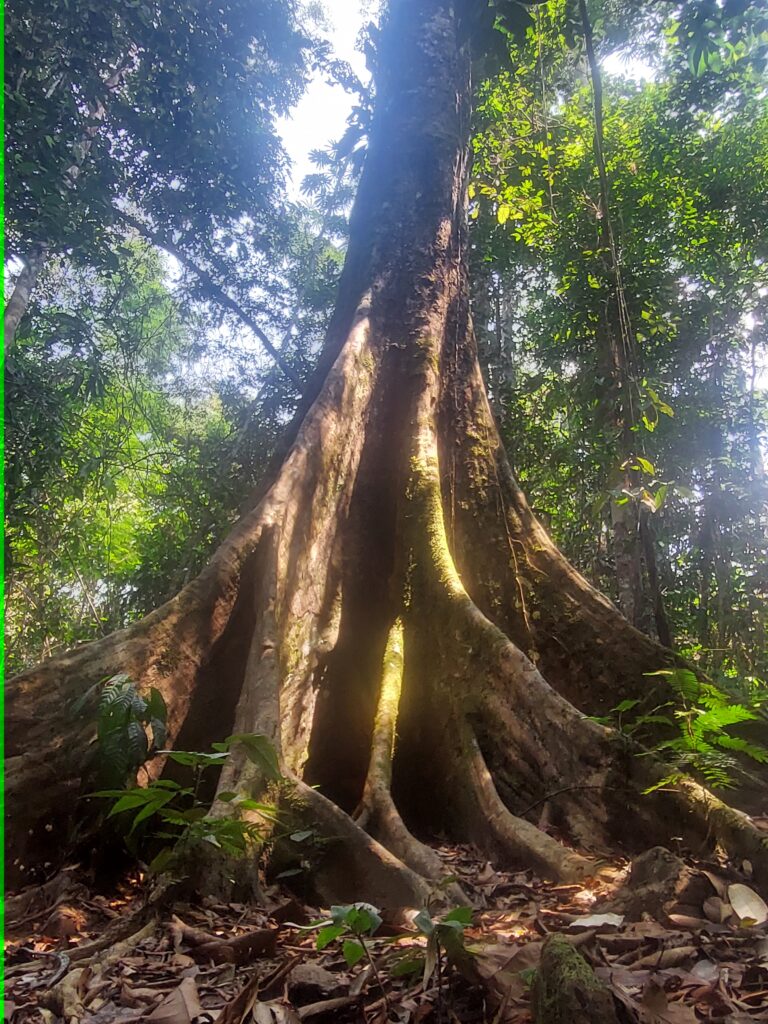
Noya Rao is one of the plants most central to MERAYA’s apprenticeship.
Often called the tree of light, it is associated with illumination, harmonization and the development of a clearer relationship with consciousness. Its personality can be complex. Some students experience a nurturing feminine presence. Others encounter a strong masculine Meraya quality. Many describe rings, levels or realms of teaching that unfold gradually over years.
As a teacher
Noya Rao may ask the apprentice to carry greater light without turning it into performance, superiority or escape. The teaching is illumination joined with humility, responsibility and service.
Traditional healing potential
Its healing potential is often understood through harmonization: bringing greater clarity, coherence and order to the emotional, energetic and spiritual life. The relationship may continue reorganizing understanding long after the formal dieta has closed.
Noya Rao is traditionally approached with particularly careful agreements and reintegration.
MAROSA


Sensitivity, Medicine and the Pharmacy of the Jungle
Marosa is often experienced as feminine, subtle and highly sensitive.
As a teacher
Marosa teaches through sensitivity. She may ask the apprentice to become quieter, more receptive and more precise in the way they listen to the body, dreams, ceremony and the personalities of other plants.
Traditional healing potential
Within traditional understanding, Marosa is strongly connected with physical healing and knowledge of other medicinal plants. This is why she is sometimes described as a pharmacy of the jungle. A Marosa dieta may introduce remedies through dreams, ceremony, bodily awareness or encounters with other plant relationships.
Marosa does not need to shout. The student has to become quiet enough to hear her.
CHULLACHAQUI


The Grounded King of the Jungle
Chullachaqui is often experienced through powerful masculine and grounding energy. He may appear protective, fatherly, creative and unexpectedly humorous.
As a teacher
His humor can interrupt shame, loosen rigidity and help the student meet painful material without becoming trapped inside it. He may teach courage, playfulness, self-protection and the ability to stand up for oneself without losing the heart.
Traditional healing potential
Chullachaqui is closely associated with the jungle, protection and the medicine plants themselves. His healing potential may be experienced through work with fear, shame, the inner child, creative suppression and the recovery of vitality and expression.
BOBINSANA


The Heart, Self-Worth and Loving Service
Bobinsana carries a loving feminine quality and is closely associated with the heart.
As a teacher
She may teach the difference between needing love and becoming capable of living from it. Her relationship can support self-worth, self-trust, compassion, creativity and the courage to serve without abandoning oneself.
Traditional healing potential
Bobinsana is traditionally associated with healing work involving heartache, grief, guardedness, low self-esteem and difficulty receiving or expressing love. As the heart softens, confidence and creative movement may begin returning.
Her softness is not weakness. It is the strength required to remain open.
CHIRIC SANANGO

Strength, Protection and Endurance
Chiric Sanango is often experienced as strongly masculine, demanding and empowering. It is known as one of the more challenging teacher dietas.
As a teacher
Its personality may ask for endurance, discipline and honesty about where strength has been avoided, forced or misused. Repressed emotion may surface during the relationship, sometimes continuing to unfold long after ingestion.
Chiric Sanango does not simply teach force. It teaches how to hold power without losing stability.
Traditional healing potential
Within Amazonian healing traditions, Chiric Sanango has been associated with the nervous system, nerve damage, muscular realignment, physical strengthening, bones and joints, arthritis, rheumatism, fevers and respiratory conditions such as colds and flu.
Preparation and experience
The root is commonly prepared as an extract or infusion. “Chiric” is associated with itching and the medicine may produce tingling, electrical sensations, numbness, cold shivers, dizziness, disorientation or a feeling of inebriation. Its strength requires experienced guidance and careful screening.
MACHINGA
Structure, Strength and Realignment
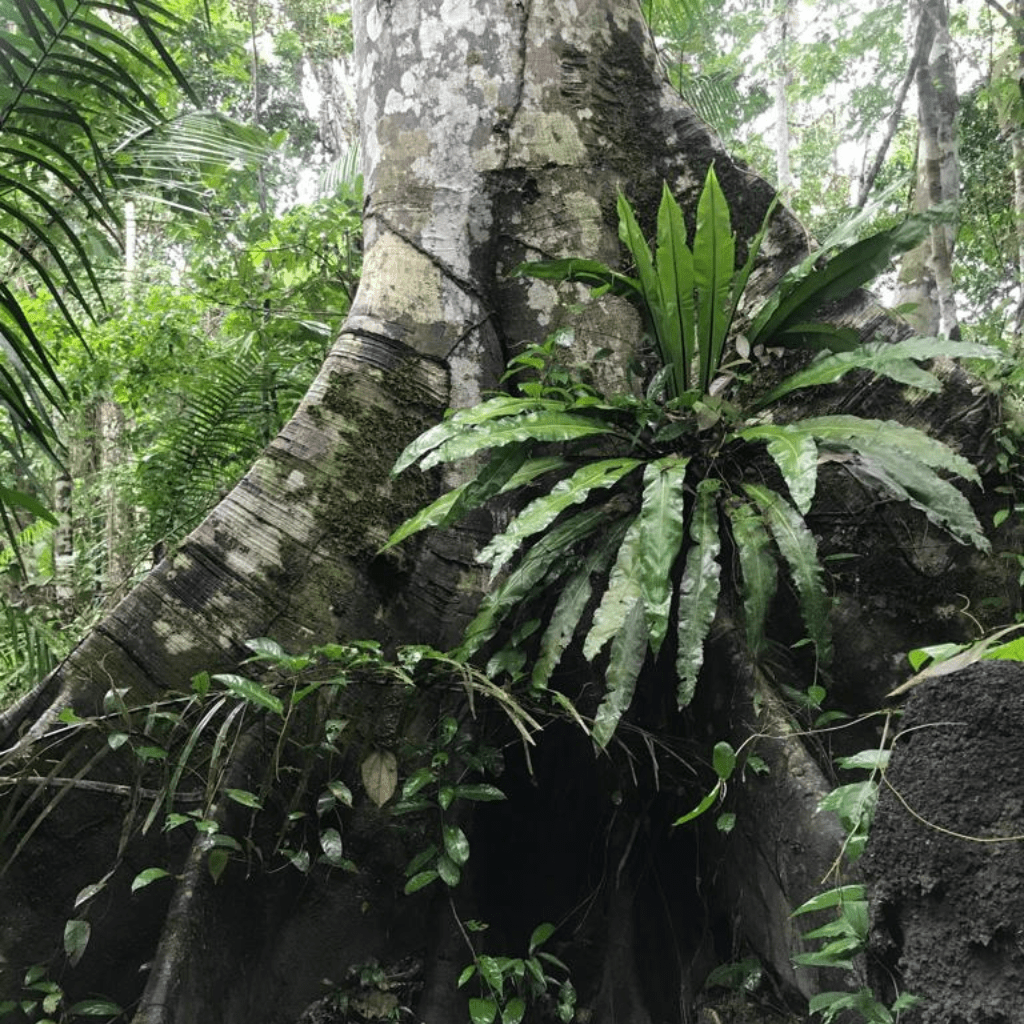
Machinga is known within Amazonian healing practice as a powerful medicine of structure.
As a teacher
Its teaching can be understood through strength, alignment and the willingness to rebuild patiently. It may ask the student to notice where life has become rigid, weakened or pulled out of its natural position.
Traditional healing potential
Machinga is traditionally associated with bone medicine. It has been used in healing work involving arthritis, chronic pain, stiffness and a wide range of bone conditions. Practitioners value its potential to support strengthening, straightening, repair and realignment.
CATAHUA
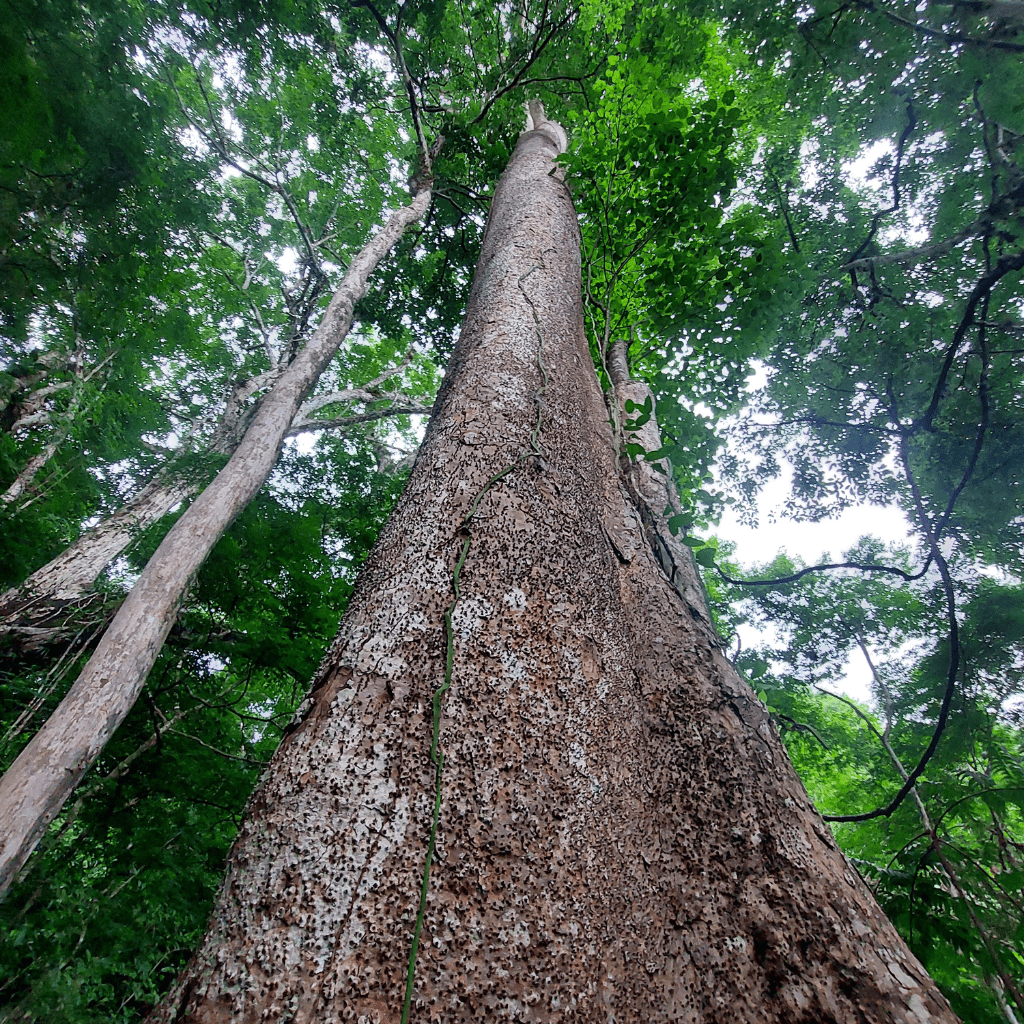
Potency, Purification and Respect
Catahua carries a formidable presence. Its strength demands respect, precision and a deeper level of preparation than an ordinary retreat container.
As a teacher
Catahua may teach humility before power. The relationship asks the student and practitioner to respect limits, preparation and consequence rather than confusing intensity with mastery.
Traditional healing potential
Within Amazonian healing traditions, Catahua has been associated with deep cleansing and healing work involving parasites, serious infections, respiratory conditions including tuberculosis and asthma, diabetes, thyroid conditions, cancers and blood-borne conditions including HIV/AIDS.
Safety and context
The resin is used as a powerful purgative and is highly toxic. Contact with the eyes can cause severe injury, including blindness. Catahua is not a medicine for casual or unsupported use. It requires expert preparation, supervision and an appropriately strict healing dieta.
AYAHUASCA

The Mother, the Teacher and the Vine
Ayahuasca is the Banisteriopsis caapi vine and is understood within the traditions MERAYA has learned from as a master plant and teacher.
Her personality is often experienced as maternal: loving, direct, cleansing and unwilling to leave important patterns hidden forever.
As a teacher
An Ayahuasca dieta can deepen a relationship that may already have begun through ceremony. The focus moves beyond a single night’s experience and toward sustained apprenticeship with the vine itself.
Traditional healing potential
The relationship may support emotional cleansing, energetic release, memory, compassion, correction and greater recognition of the patterns shaping a person’s life. Its healing potential is not limited to what happens during ceremony; it is measured through what becomes possible afterward.
Ayahuasca may open the door. Dieta asks what kind of relationship will be built through it.
CHACRUNA

Light, Vision and Illumination
Chacruna — Psychotria viridis — is widely known as an admixture used in many Ayahuasca preparations.
Within MERAYA’s Amazonian understanding, Ayahuasca is the teacher and Chacruna brings light, color and the visionary dimension.
As a teacher
Chacruna may be experienced as clear, luminous and revealing. It can teach the student to navigate visionary experience with greater steadiness and to remain present with what becomes visible.
Traditional healing potential
Its healing potential is often associated with illumination: helping hidden emotional, psychological or energetic material become visible enough to be met consciously.
Light does not only reveal beauty. It also reveals what has been hidden.
CHALLIPONGA
Power, Duration and Revelation
Challiponga is an Amazonian admixture plant used in some Ayahuasca traditions, including preparations commonly associated with yagé.
Its personality is often described as powerful, penetrating and direct.
As a teacher
Challiponga may ask the student to remain grounded while moving through experiences that feel vast, unfamiliar or prolonged. Its teaching is not simply about seeing more. It is about developing the capacity to remain present with what becomes visible.
Traditional healing potential
Within MERAYA’s experience, its healing potential is linked with revelation, energetic movement and the surfacing of material that may have remained outside ordinary awareness.
MAPACHO
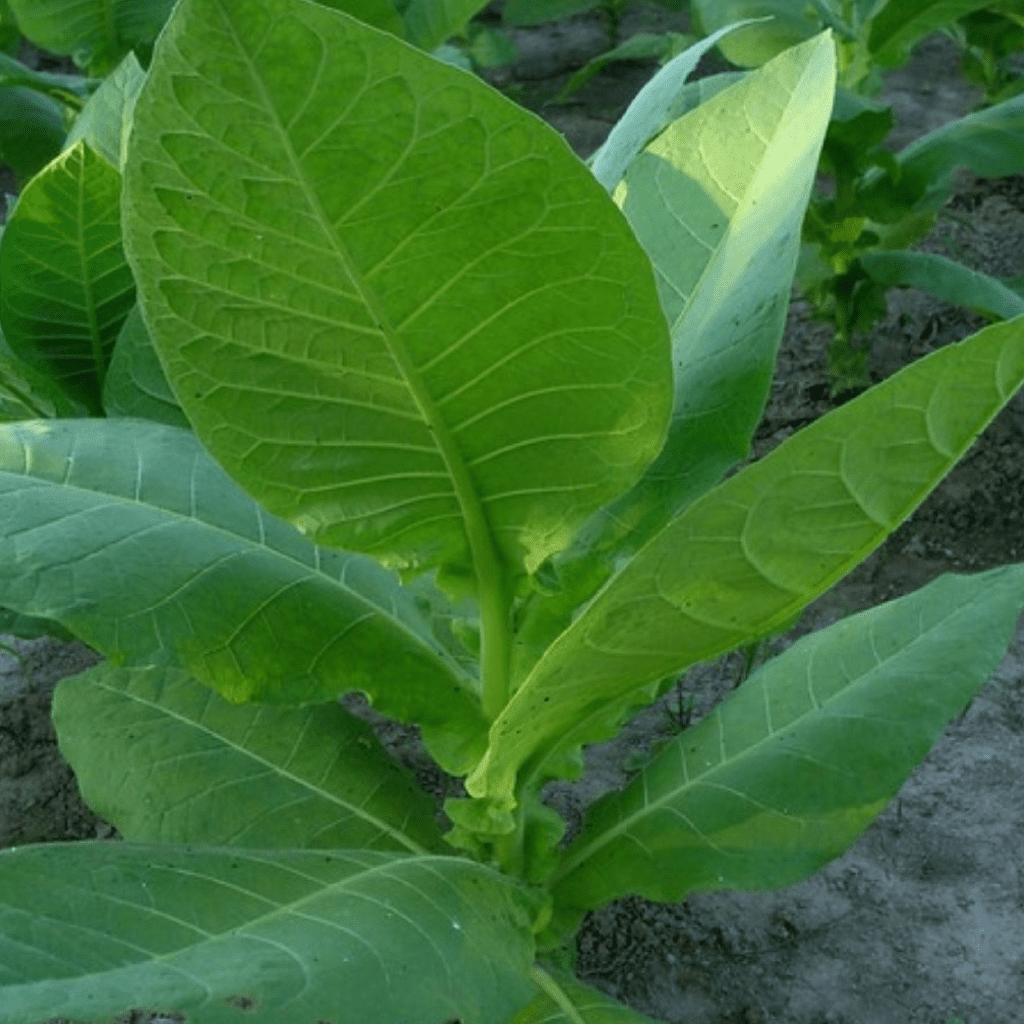
Intention, Cleansing and Protection
Mapacho is a revered ally within Amazonian practice. It is commonly used to support intention, prayer, cleansing, grounding and the protection of people, spaces and medicines.
As a teacher
Mapacho teaches precision of intention. It may reveal the difference between speaking an intention and becoming aligned enough to carry it. Its personality is often experienced as grounding, protective and direct.
Traditional healing potential
Traditional practitioners have associated Mapacho with cleansing the body, blood and intestines; working with parasites, bacteria and viruses; and releasing energetic blocks and deeply held fear. It may also support grounding, alignment and integration.
Safety and context
Mapacho is a potent form of tobacco. Nicotine can be toxic and addictive, and concentrated preparations can be dangerous. Traditional use requires knowledge, dosage awareness and experienced supervision.
CHUCHUHUASI
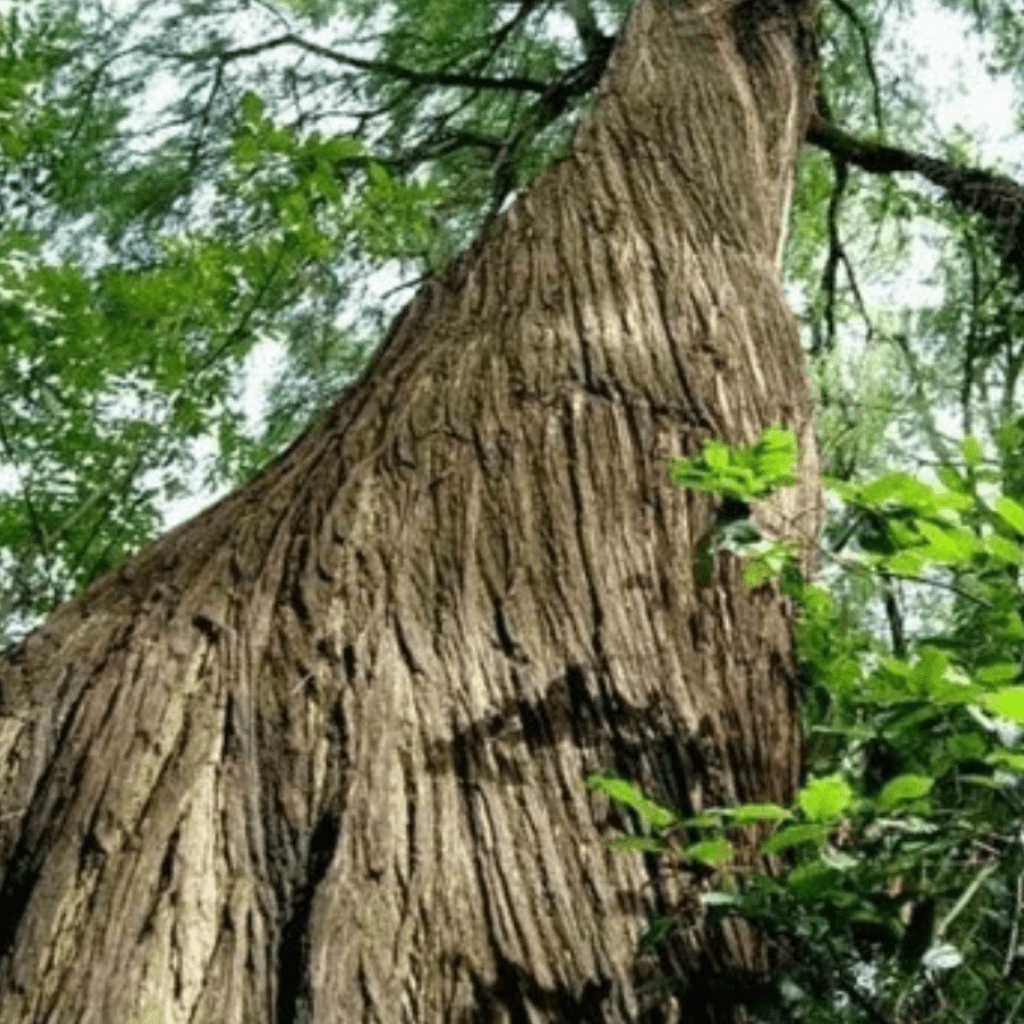
Strength, Stamina and Restoration
Chuchuhuasi is a large forest tree whose bark is commonly steeped in water to create a strengthening medicine.
As a teacher
Its personality may be understood through endurance, rootedness and the slow rebuilding of strength. It teaches that restoration is often created through consistent support rather than force.
Traditional healing potential
Chuchuhuasi has been associated with increased stamina and energy, stronger bones, joint inflammation and pain, arthritis, digestion, libido, immunity and circulation. Traditional use also includes work involving the blood, heart, skin and stomach. Topical preparations have been used in healing work involving difficult skin growths, including cancerous conditions.
UÑA DE GATO
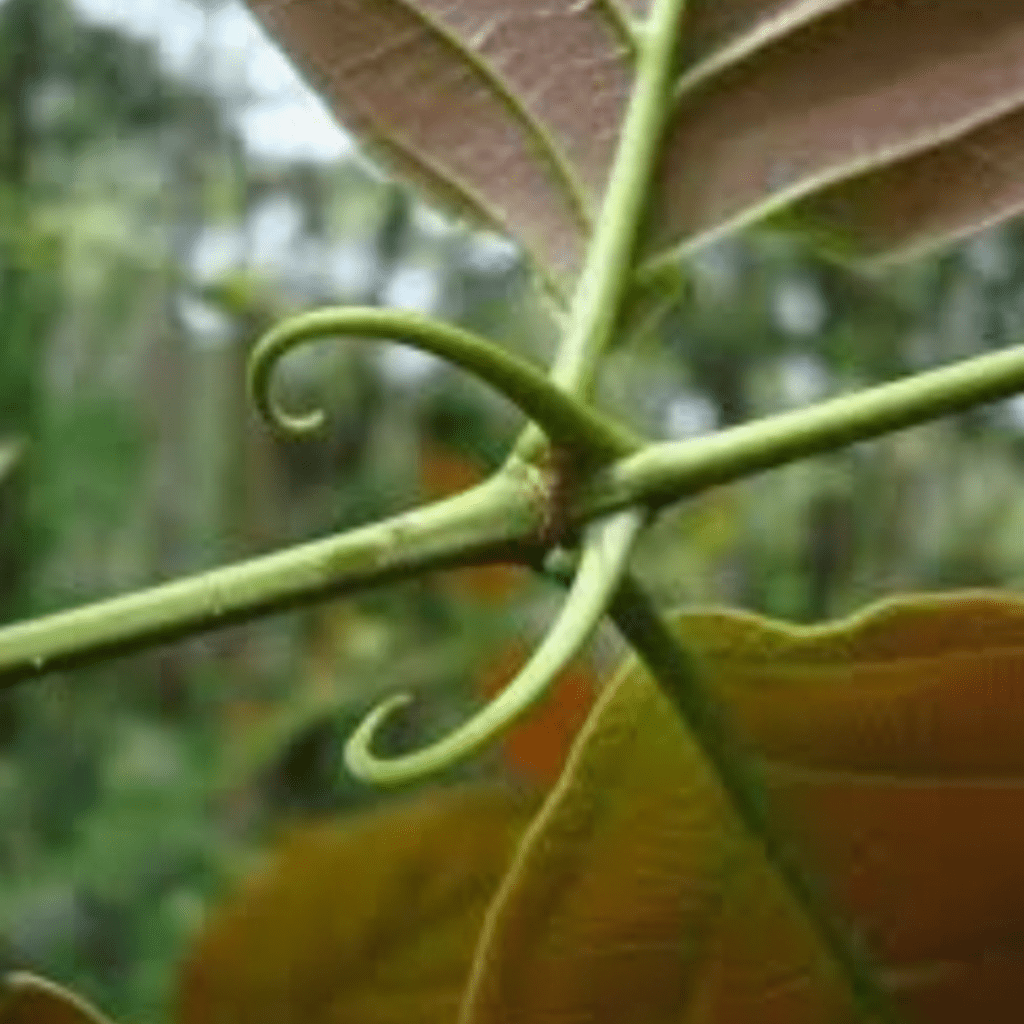
Resilience, Defense and Adaptation
Uña de Gato takes its name from the curved thorns that resemble a cat’s claws. It is commonly prepared as a cold-water extract or infusion.
As a teacher
Its personality can be understood through resilience, intelligent defense and adaptability. It may teach the difference between healthy protection and remaining permanently closed.
Traditional healing potential
Uña de Gato has been associated with infections, parasites, inflammation, oxidative stress and immune regulation. Traditional use includes diabetes, high blood pressure, digestive disorders, allergies, osteoarthritis, ulcers and tumors, as well as healing work involving cancer and HIV/AIDS.
SATCHA MAHGUA
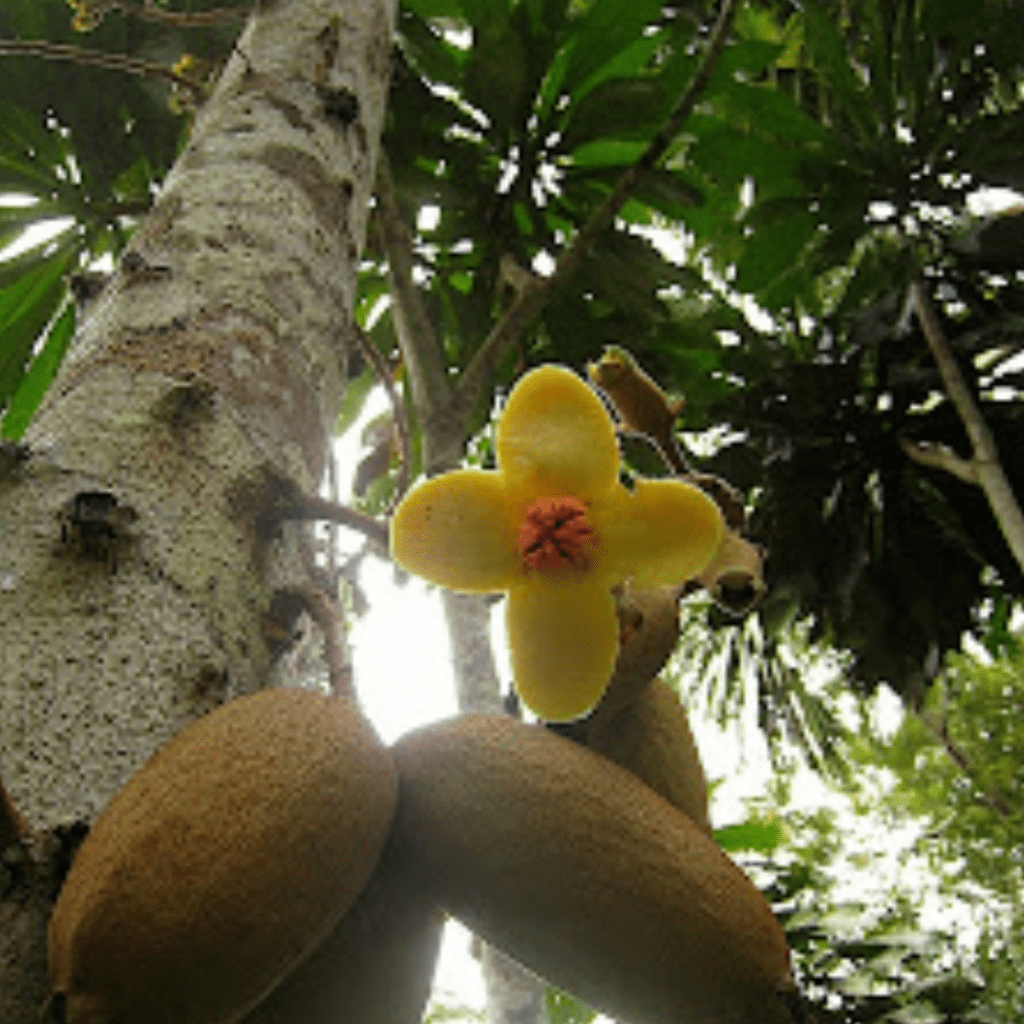
Clearing, Perception and Release
Satcha Mahgua is a fruiting plant used in a distinctive traditional preparation made from shavings of the fruit stone and administered through the nose.
As a teacher
Its teaching may be understood through clearing perception. It asks what becomes available when congestion, pressure and accumulated material are allowed to move.
Traditional healing potential
Satcha Mahgua has been associated with conditions involving the ears, throat, nose and sinuses, and with recovery following traumatic brain injury. Practitioners value its potential to draw phlegm and mucus to the surface so they can be released.
SANGRE DE GRADO
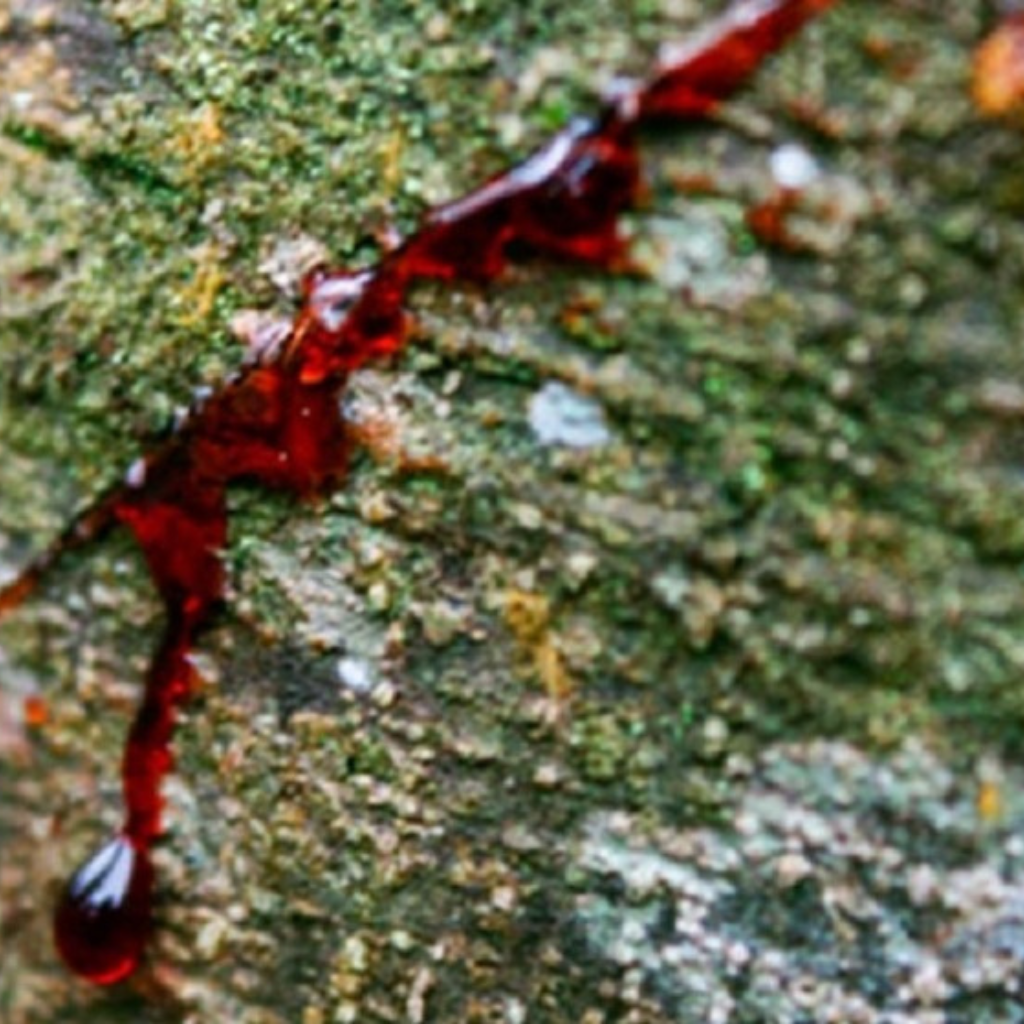
Protection, Repair and Sealing
Sangre de Grado, commonly known as Dragon’s Blood, is a deep red resin drawn from the tree.
As a teacher
Its personality can be understood through protection, repair and the intelligent sealing of what has been opened. It reflects the boundary between necessary release and the moment healing requires containment.
Traditional healing potential
Sangre de Grado is traditionally used to help stop bleeding, close wounds and protect them from infection. It has also been associated with diarrhoea, stomach ulcers, irritable bowel conditions, tumors, herpes, itching, insect bites and swelling. Taken in a water preparation or used as a purgative, it may support the release of phlegm and parasites.
MUCURA
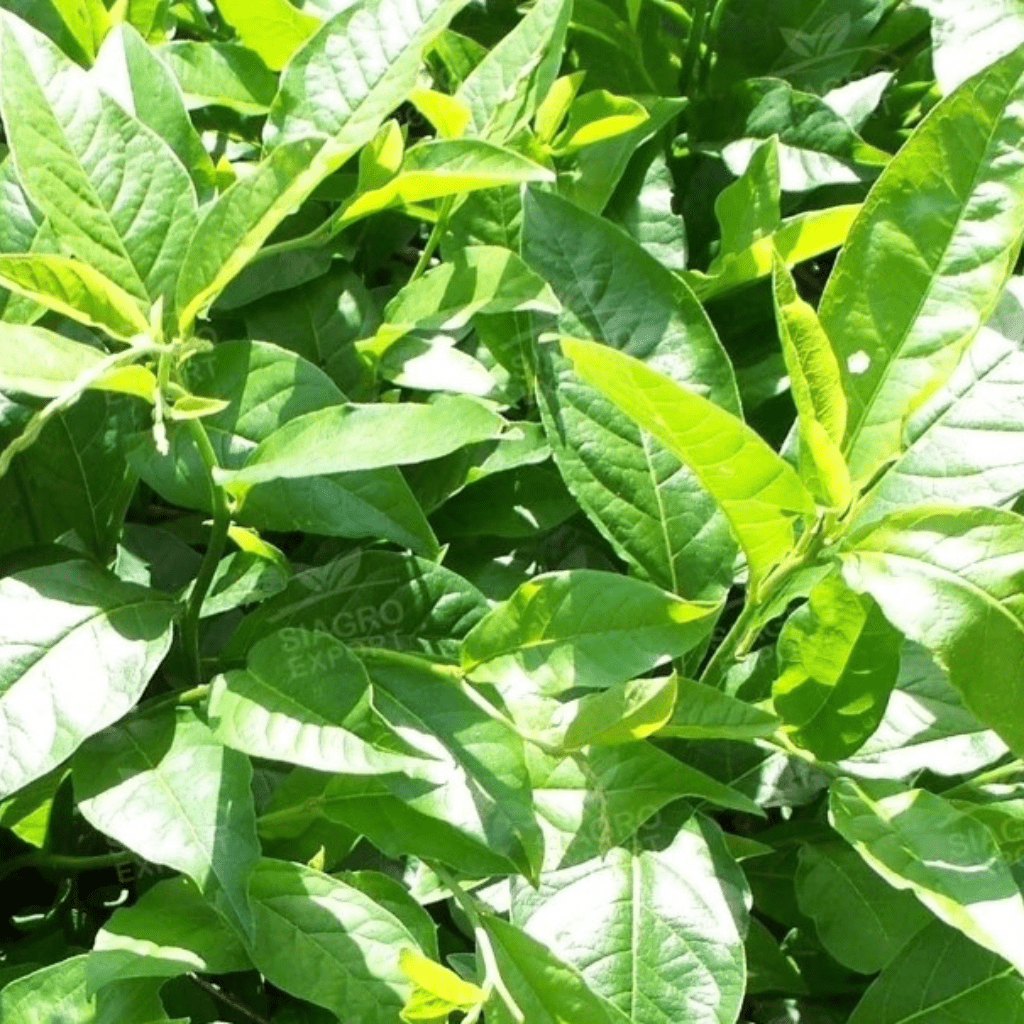
Clearing, Immunity and Vitality
Mucura is traditionally prepared by scraping the stalks and steeping them in water. The filtered preparation may be administered through the nose.
As a teacher
Mucura’s strong garlic-like character reflects a direct and protective personality. Its teaching may center on clearing what obstructs vitality and strengthening the body’s capacity to defend itself.
Traditional healing potential
Mucura has been associated with sinus conditions and the clearing of phlegm and mucus from the airways. It is also valued traditionally as an immune-strengthening medicine that supports vitality and physical defense.
ABILLA
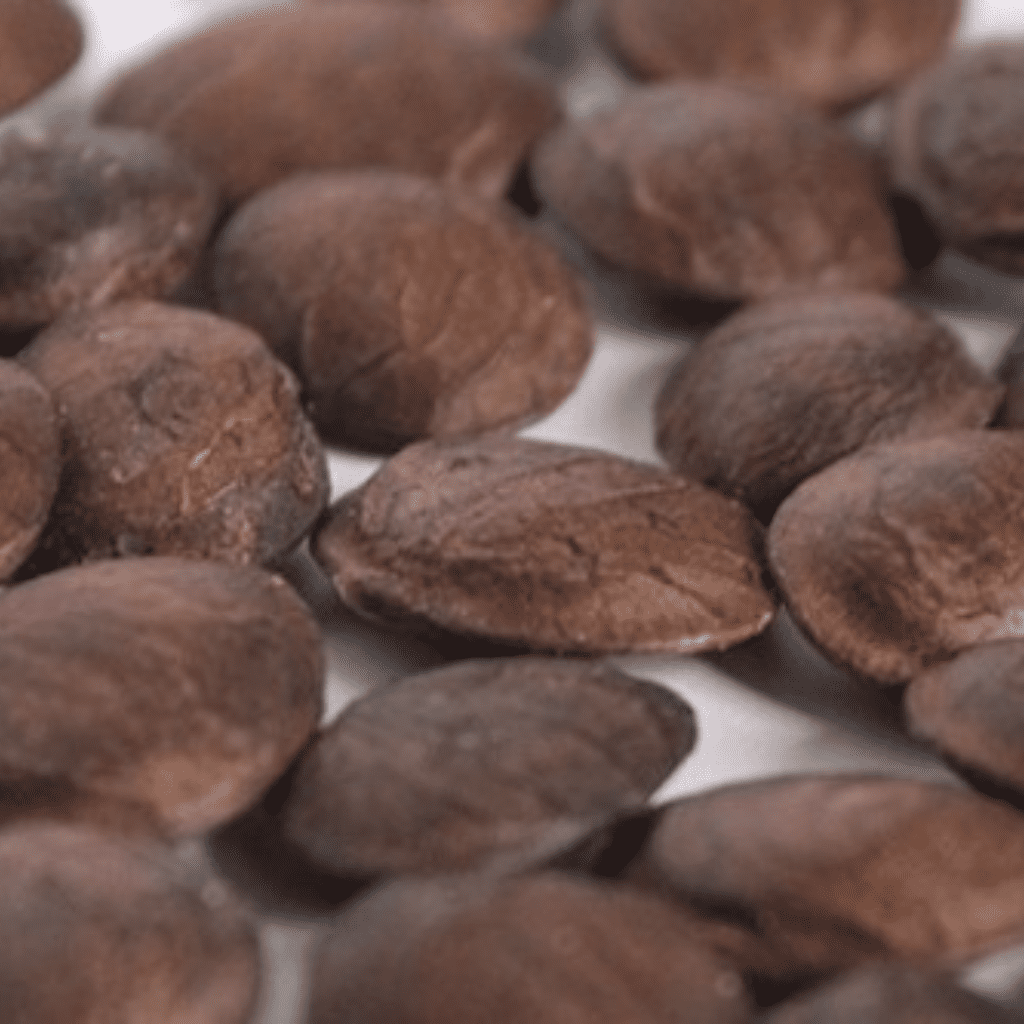
Purification, Clarity and Renewal
The seeds of Abilla are used as a powerful purgative with deep cleansing qualities.
As a teacher
Abilla may teach through removal. The relationship can expose what has remained lodged beneath the surface and ask whether the student is ready to release what no longer belongs.
Traditional healing potential
Abilla has been associated with clearing parasites, phlegm, pathogenic bacteria, amoebas and unwanted microorganisms. It is also used in healing work involving the residual physical and energetic effects of substance misuse.
Safety and context
As a strong purgative, Abilla requires appropriate preparation, dosage and experienced supervision.
PIÑÓN BLANCO
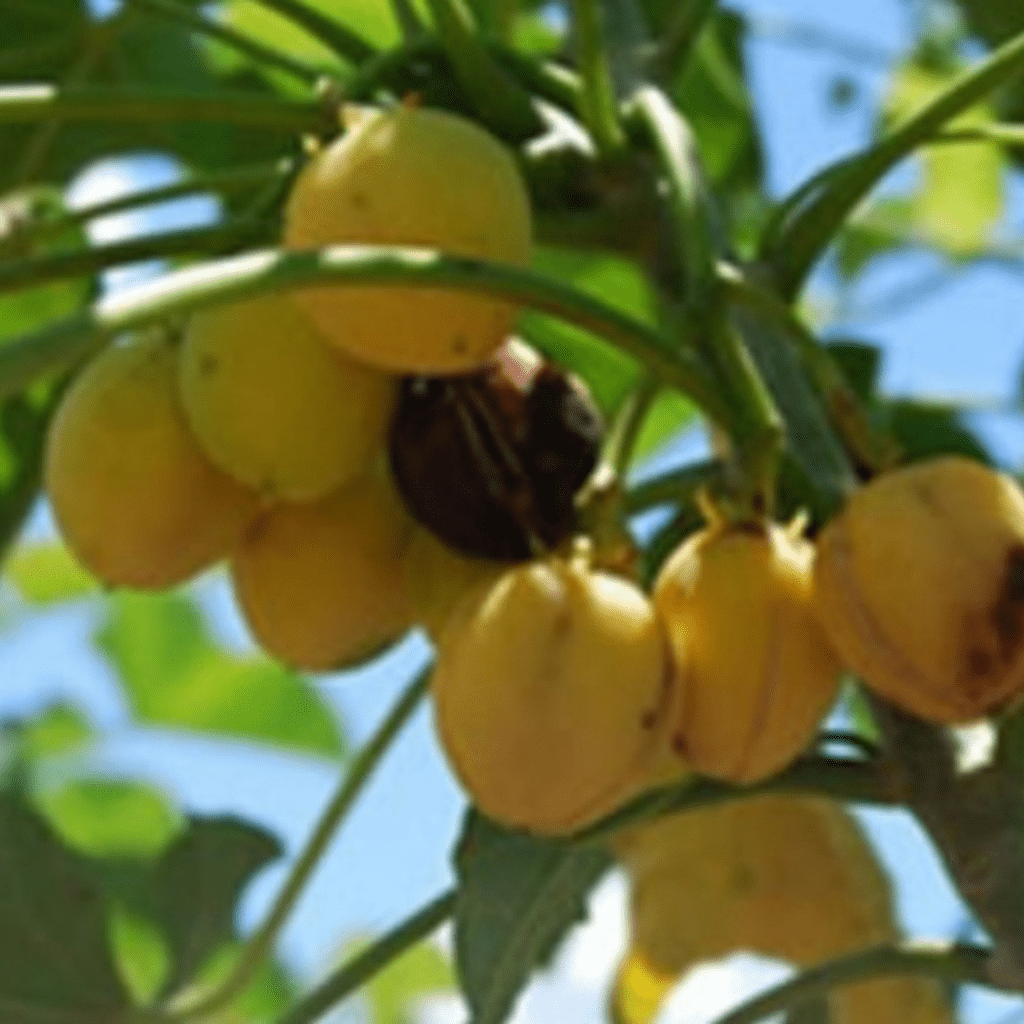
Cleansing, Restoration and Release
Piñón Blanco is a cleansing medicine whose seeds are traditionally used in ingestible purgative preparations.
As a teacher
Its personality may be understood through purification and renewal. It teaches that genuine restoration often begins by releasing what the body and life can no longer carry.
Traditional healing potential
Piñón Blanco has been associated with the release of phlegm and parasites and with clearing residual effects of substance misuse. Traditional practitioners also work with its potential to cleanse the blood and support the liver, kidneys and lungs.
Safety and context
Its purgative use requires knowledgeable preparation and experienced supervision.
A LIVING PLANT LIBRARY
This System Will Continue to Grow
The plants described here are part of a living and expanding library, not the limit of the system.
The Amazon holds an extraordinary diversity of plant knowledge. As MERAYA develops, more profiles will be added when the relationship, experience and teaching are deep enough to represent responsibly.
Not every plant is approached through the same kind of dieta. Some relationships emphasize apprenticeship. Others are entered primarily for healing. Many carry both dimensions.
DIFFERENT FORMS OF KNOWING
Tradition, Experience, Psychology and Science
Plant dieta can be understood through several lenses.
Amazonian traditions carry generations of apprenticeship and interpretation.
Direct experience provides personal information.
Psychology can help us understand memory, projection, attachment, identity and behavior.
Science may investigate chemistry, physiology and measurable outcomes.
These lenses can inform one another without being collapsed into the same claim.
When something is traditional belief, we name it as tradition. When it is observation, we name it as observation. When research supports a claim, we can say so. And when we do not know, we leave room for not knowing.
FROM TEACHING TO REMEDY
What the Apprentice Learns to Carry
Within the traditional framework MERAYA has learned from, the remedy is not simply contained inside the plant.
The apprentice enters relationship with a quality of teaching. The plant exposes what must be understood. Life and ceremony create opportunities to work through it. Over time, the teaching becomes embodied.
When the apprentice can genuinely carry a quality they could not carry before, the relationship may become a remedy they can responsibly bring into service.
This is why apprenticeship cannot be reduced to collecting plant information.
The student is being changed by what they are learning to carry.
ICAROS
The Relationship Becomes Song
Within Shipibo-Konibo tradition, an icaro is not simply a song learned for ceremony.
It may emerge through relationship with a plant during dieta — in dream, ceremony, silence or direct experience.
The icaro can become an expression of the teaching and remedy developed through that apprenticeship.
Someone else may memorize its words and melody.
That does not automatically mean they carry the relationship behind it.
The power of the song is understood to come from more than performance.
It comes from what has been lived.
“The Song Can Be Copied.
The Apprenticeship Cannot.”
POWER & RESPONSIBILITY
A Plant Relationship Is Not a Badge
Plant apprenticeship can become another place for the ego to seek status.
A powerful experience, an icaro, a vision or a relationship with a respected plant does not make someone superior.
It gives them more to be responsible for.
Greater sensitivity requires stronger boundaries. Greater influence requires greater ethics. Greater knowledge requires the humility to recognize what remains unknown.
The purpose of dieta is not to become impressive.
It is to become more capable of carrying relationship, remedy and service without causing unnecessary harm.
“A Plant Teacher Does Not Make You Special.
It Gives You More to Be Responsible For.”
CLOSING THE DIETA
The Formal Agreement Is Completed
At the end of the agreed period, the dieta is formally closed by the maestro or maestra.
The closing commonly takes place within Ayahuasca ceremony. The practitioner reviews the relationship, works through icaro and prepares the student to move from the protected container back toward ordinary life.
The closing may bring together experiences that seemed separate during the dieta. Teachings, dreams, challenges and gifts may begin forming a clearer pattern.
The closing will include an arcana.
The arcana is understood traditionally as sealing and protecting what has been developed while supporting the transition into reintegration.
REINTEGRATION
The Body and Relationship Need Time
Closing the dieta does not mean returning immediately to every food, activity and relationship.
Reintegration is gradual.
Traditional guidance may include staged reintroduction of refined sugar, dairy, spices, sea fish, red meat, sexual activity and other substances. Many practitioners use a period of approximately 30 days, but exact protocols vary.
Different plants may require different care. Noya Rao, for example, is often approached with particularly strict reintegration.
These protocols should be individualized rather than copied mechanically.
The exact preparation and reintegration guidance belongs on our dedicated page.
LONG-TERM RELATIONSHIP
The Dieta Continues to Teach
The formal terms may end, but the relationship does not simply disappear.
Teachings may become clearer months or years later. An experience that seemed confusing during the dieta may eventually make sense when life creates the context needed to understand it.
Some relationships deepen through continued ceremony, dreams, practice, further dieta and the choices made in ordinary life.
The student does not need to force constant messages from the plant.
A mature relationship has seasons.
Sometimes it is vivid. Sometimes quiet. Sometimes the teaching is simply to live what has already been received.
SAFETY & READINESS
Dieta Is Not Appropriate in Every Form for Every Person
Dieta can involve food restriction, isolation, psychoactive ceremony, purgatives, intense emotion and significant changes in routine.
Medical and psychological screening matters. Medication matters. Nutritional needs matter. The duration and intensity must fit the individual.
Extended fasting, severe restriction and unsupported isolation can create real risks.
A responsible practitioner should be willing to simplify, postpone or refuse a dieta when the conditions are not appropriate.
Readiness is not proven by how much discomfort someone can tolerate.
Readiness includes the ability to enter, maintain and reintegrate the relationship responsibly.
WITHIN MERAYA
Dieta Sits Inside a Larger Developmental Path
MERAYA does not approach dieta as an isolated ritual.
Plant relationship sits alongside psychology, preparation, ceremony, integration, discernment, ethics and ongoing human development.
The question is not only what the plant showed you.
It is what you become capable of living.
Can insight become behavior?
Can sensitivity become compassion?
Can power become responsibility?
Can healing become contribution?
The plant may support the relationship.
The student still has to walk the path.
THE WIDER PATH
Relationship Becomes Development
Plant dieta is one doorway into the wider MERAYA system.
The path includes understanding where you are, recognizing the patterns shaping your life, developing the capacity to choose differently and earning greater responsibility through practice.
Dieta can create a focused apprenticeship with one plant.
The wider developmental path asks how every relationship — with self, others, nature, power, spirit and service — becomes more conscious.
“The Formal Dieta Ends.
The Relationship Continues.”
COMMON QUESTIONS
Questions About Plant Dieta
Plant dieta creates understandable questions — about the relationship, the restrictions, safety, lineage and what happens afterward.
Here are some of the questions we hear most often.
A plant dieta is an embodied relationship developed with a plant.
Within the Shipibo-Konibo approach MERAYA has learned from, the relationship is supported through ingestion, a defined agreement, simple food, sexual abstinence, reduced stimulation, ceremony, guidance and time.
The restrictions create the container. The relationship is the teaching.
No.
People often use the word dieta for the temporary food and medication restrictions followed before Ayahuasca ceremony.
A traditional plant dieta is a wider apprenticeship relationship with a particular plant. It has an opening, agreed terms, focused plant ingestion, guidance and a formal closing followed by reintegration.
Ingestion is a common and important part of traditional dieta, but the relationship is larger than the act of consuming the plant.
It may unfold through dreams, ceremony, bodily response, emotion, attention and events in ordinary life.
The exact preparation and rhythm depend on the plant and lineage.
A plant may be selected through personal attraction, dreams, ceremony, the student’s needs or the recommendation of an experienced maestro or maestra.
MERAYA considers health, experience, temperament, intention and stage of development.
The purpose is to choose a relationship that can be entered responsibly, not to claim there is only one possible plant.
The contract is the set of agreed terms around the relationship.
It may define duration, food, isolation, silence, sexual abstinence, plant doses and behavioral expectations.
The contract creates clarity and helps protect the coherence of the process.
The traditional food container reduces stimulation and creates a quieter environment for the body, mind and relationship.
Different lineages and plants use different restrictions.
The point is not punishment or proving spiritual strength. The point is creating conditions that support attention and sensitivity.
A new plant relationship can be subtle and sensitive.
Isolation reduces familiar demands, emotional influence and distraction while the student learns to recognize what is unfolding.
Isolation should still be responsibly held. Space is not the same as neglect.
Not every plant relationship in the world requires Ayahuasca.
Within the Shipibo-Konibo method MERAYA works from, Ayahuasca ceremony commonly supports the formal opening, ongoing work and closing of the dieta.
The plant teacher being dieted remains the central relationship.
Yes.
Dieta may involve hunger, craving, loneliness, vivid dreams, difficult emotion, physical discomfort and the return of unresolved material.
Difficulty should not automatically be romanticized as proof that something is working.
Experienced guidance helps distinguish a demanding teaching from a process that is becoming unsafe or destabilizing.
The maestro or maestra formally opens the relationship, commonly within Ayahuasca ceremony, using intention, prayer and icaro.
The opening will always include an arcana.
At the end of the agreed period, the dieta is formally closed and the closing will include an arcana before reintegration begins.
Within the traditional framework MERAYA has learned from, an arcana is a form of energetic protection and containment established by the practitioner.
It supports the opening relationship and later helps seal and protect what has been developed at closing.
This is a traditional understanding, not an established scientific mechanism.
Duration varies.
A first dieta may be relatively short. Deeper apprenticeship dietas may last weeks, months or longer.
Longer is not automatically better. The appropriate duration depends on the plant, the student, the practitioner, the purpose and the conditions available.
Reintegration begins.
Foods, sexual activity, substances, stimulation and ordinary relationships are reintroduced gradually according to the plant and guidance received.
The formal agreement ends, but the relationship may continue teaching for months or years.
Readiness includes physical health, psychological history, medications, nutritional needs, intention, expectations and the ability to honor the agreement.
Dieta is not a test of worth or courage.
Screening and conversation help determine what form of plant work, if any, is responsible for the individual.
Still Have Questions About Whether This Path Is Right for You?
EXPLORE THE PATH
Continue Your Understanding
Plant dieta is one doorway into a much larger ecosystem of Amazonian practice, preparation, ceremony and developmental work.
THE DEEPER JOURNEY
Enter the Jungle. Enter the Relationship.
For those called to experience this work directly, MERAYA’s 14-Day Jungle Initiation brings plant dieta into a wider environment of ceremony, traditional teaching, integration and developmental practice.
It is not designed simply to provide more experiences.
It is an opportunity to step away from ordinary noise, enter a carefully held container and begin understanding what relationship with the plants can ask of a human life.
DISCOVERY CALL
For in-person Jungle Initiations, enrollment is available by Discovery Call only.
NOT SURE WHICH PATH IS RIGHT FOR YOU?
You may be exploring personal healing, deeper shamanic development, online training, or an immersive journey into the Amazon.
You do not need to figure it all out alone.
Book a personal discovery call with MERAYA to ask your questions, explore the different ways to work with us, and understand which pathway may best support where you are now.
No pressure. Just a conversation, clarity, and a clear next step.
JOIN THE MERAYA COMMUNITY
JOIN THE MERAYA COMMUNITY
Stay connected to the teachings, trainings and conversations emerging from Meraya.
For now, join the community and receive our free Ayahuasca Masterclass video training, together with ongoing teachings on plant medicine, shamanic development, integration and walking the path with greater clarity.
Join a growing community of people committed to healing, development and living what they learn.
Walk The Shamanic Path With Clarity
GROW DEEP. SERVE WELL.